

As a parent, you want to do everything you can to protect your child’s teeth. This typically includes making sure they brush their teeth twice a day, floss once a day, develop healthy eating habits, and attend regular dental visits. But to further prevent cavities and strengthen their teeth, parents should consider another tool: fluoride.
But what exactly does fluoride do, and is it safe for children? Below, we will answer these questions and others you may have regarding fluoride and your child’s oral health.
What Is Fluoride?
Fluoride is a naturally occurring mineral found in water, soil, plants, rocks, and some foods and beverages. It is also found in many toothpastes, mouthwashes, and local water supplies. It is also offered as a treatment at the dentist.
Fluoride helps protect teeth by strengthening enamel and helping repair areas that have been weakened by acids produced by cavity-causing bacteria. It can also make teeth more resistant to future decay.
What Are the Benefits for Children?
Helps Prevent Cavities
One of the primary benefits of fluoride is cavity protection. Children who regularly receive this mineral through appropriate sources, such as toothpaste, have a lower risk of tooth decay.
By preventing cavities, children are less likely to experience toothaches, dental infections, fillings, or other complications associated with untreated decay.
Strengthens Tooth Enamel
Enamel is the hard outer layer of your teeth that protects them from damage. Fluoride helps strengthen enamel and makes it more resistant to the acids that contribute to tooth decay.
Fluoride can also help remineralize areas of enamel that are starting to lose minerals, potentially reserving early stages of tooth decay before a cavity develops.
Provides Ongoing Protection
Fluoride toothpaste provides your child with topical protection every time they brush. Fluoride from drinking water can also give them regular exposure throughout the day.
These sources work together to help you maintain stronger, healthier teeth.
Helps Protect Baby Teeth
Baby teeth help children eat and speak properly and maintain space for permanent teeth. Cavities can cause pain and lead to complications if they are left untreated.
By adding fluoride into a child’s routine, parents can protect vulnerable primary teeth from decay.
Can Be Applied Professionally
Depending on a child’s cavity risk, a dentist may recommend a professional fluoride treatment. They can apply a fluoride varnish directly to the teeth to help prevent cavities.
The Centers for Disease Control (CDC) report that a fluoride varnish can help prevent approximately one-third of cavities in primary teeth.
When Should Children Start Using Fluoride Toothpaste?
Parents should begin caring for their child’s teeth as soon as the first tooth appears. However, the amount of fluoride toothpaste that can be applied safely depends on the child’s age.
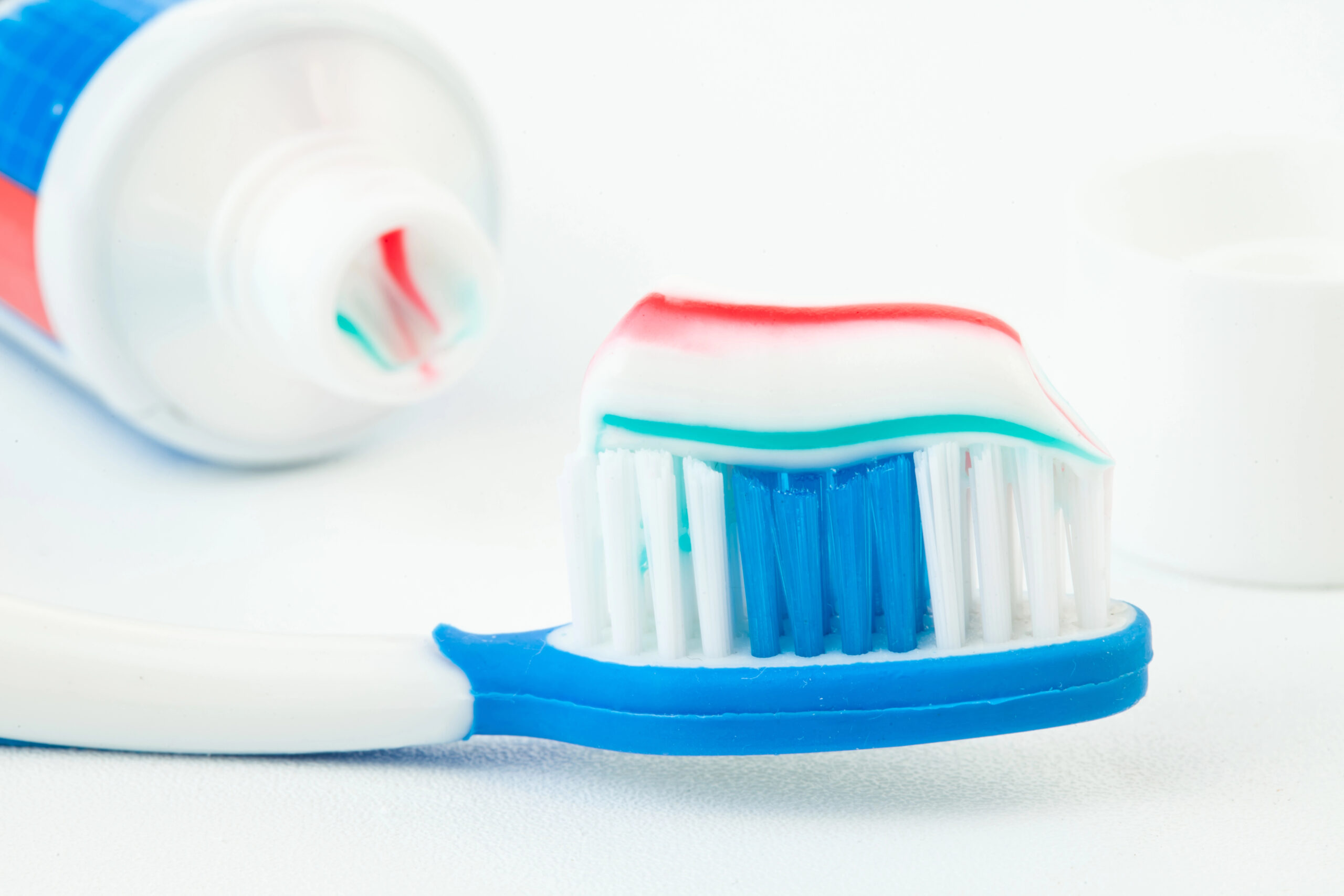
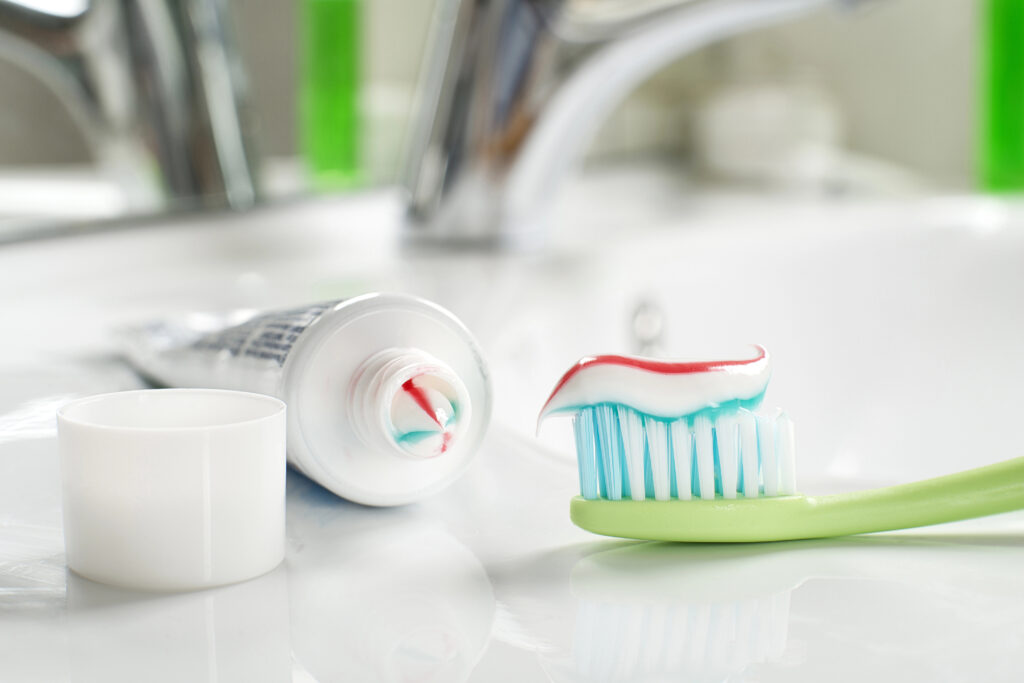
For children under three years old, use no more than a smear about the size of a grain of rice. For children between three and six years old, you can use a pea-size amount. Children should always brush twice a day, and parents should supervise to make sure they spit out, not swallow, the toothpaste.
For children younger than two, parents should talk to a dentist or physician about using fluoride toothpaste and other fluoride products.
Can Children Get Too Much Fluoride?
While fluoride is beneficial at appropriate levels, ingesting too much while permanent teeth are developing can lead to dental fluorosis.
Dental fluorosis can cause white spots, faint lines, opaque patches, or other changes in the appearance of developing teeth. In rare, severe cases, it can cause noticeable brown stains, pitting, or a rough surface.
Parents can help reduce the risk by supervising their child’s oral hygiene routine and making sure they do everything correctly.
Does Fluoride in Drinking Water Matter?
By adding fluoride to the water supply, communities can provide consistent, low-level exposure throughout the day. The CDC states that fluoridated water and toothpaste can work together to help prevent cavities.
Because fluoride levels can vary depending on your water source, parents should know whether their home’s primary drinking water contains this mineral. This helps your child’s dentist determine whether they need additional treatment.
Talk to Your Child’s Dentist About Fluoride
By making fluoride a part of a child’s oral health hygiene routine, parents can help strengthen enamel, repair early mineral loss, and reduce the risk of cavities.
If you’re unsure how much fluoride your child needs or whether they would benefit from a professional fluoride treatment, talk with a pediatric dentist. They will consider your child’s age, oral health, cavity risk, and other sources of fluoride to offer appropriate recommendations.